 Captain Lantus
Hypos in children: spotting and treating low blood sugar
If your child has Type 1 Diabetes, hypos will be part of life now and then. They can feel scary at first, but with a plan, a well-stocked kit and a bit of practice, most families learn to handle them calmly and quickly.
What is a hypo?
A hypo (hypoglycaemia) is when blood glucose drops too low. In the UK, a reading below 4 mmol/L is usually treated as a hypo, which is why you'll often hear "4 is the floor". Your child's diabetes team will confirm the numbers they want you to use.
Hypos can happen when there's too much insulin for the food eaten, after activity, in hot weather, during illness, or sometimes for no obvious reason at all. They're not anyone's fault.
Signs to look for
Every child is different, and young children may not be able to tell you how they feel. Common signs include:
- Shaking, sweating or looking pale
- Feeling hungry, dizzy or headachy
- Being grumpy, tearful or "not themselves"
- Struggling to concentrate, or seeming confused
- Tingling lips, blurry vision or tiredness
A CGM alarm may warn you before your child notices anything. If something seems off and you're not sure, check.
How hypos are treated
Your diabetes team will give you a hypo plan with the exact amounts for your child. Most plans follow the same pattern:
- Treat straight away with fast-acting glucose, such as glucose tablets or a measured amount of juice.
- Wait and recheck after the time on your plan, usually 10 to 15 minutes.
- Repeat if still low, as your plan says.
- Follow up with a snack or meal if your plan advises it.
Never leave a child who is having a hypo on their own, and don't let them exercise or swim until they've recovered.
If a hypo becomes severe
If your child is too drowsy to eat or drink safely, is unconscious or is having a seizure, put them in the recovery position, don't put anything in their mouth, and call 999. Your diabetes team may prescribe emergency glucagon and show you how to use it.
Be prepared everywhere
- Keep hypo treatment in every bag, coat pocket, car and classroom.
- Make sure grandparents, babysitters, coaches and teachers know the signs and the plan.
- Check expiry dates and restock as soon as you use something.
- A medical ID bracelet or card can help in an emergency.
Helping your child feel in control
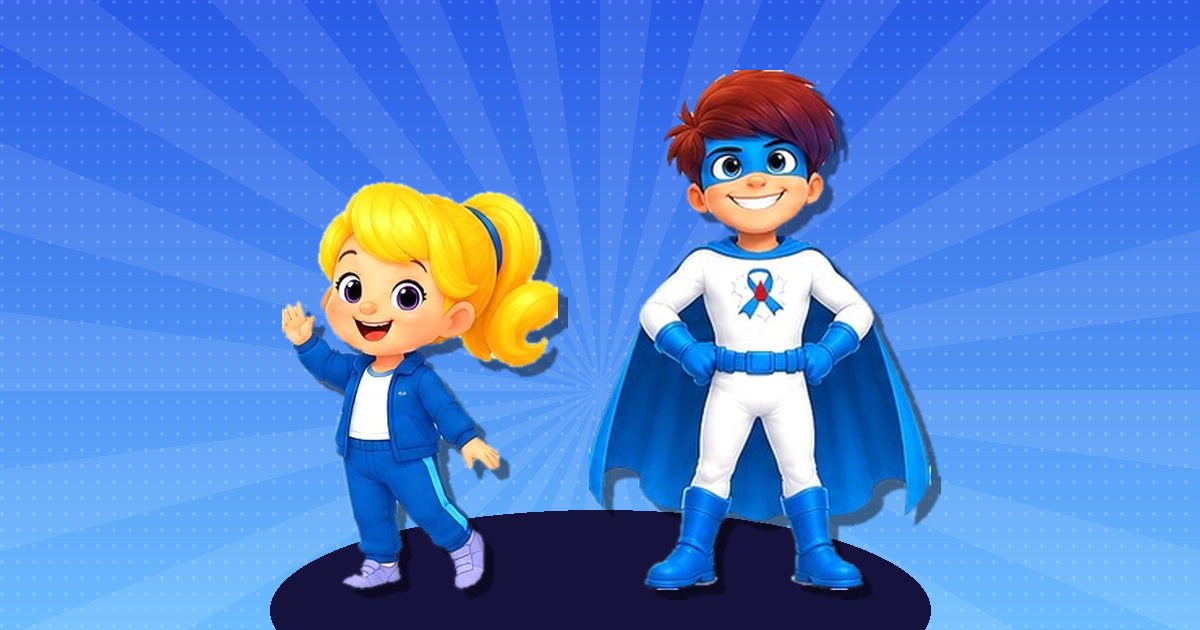
Children cope better when they know what's happening. In the Captain Lantus stories, T1D's blue energy is a simple way to talk about low blood sugars: when it hits, a hero stops, treats it and gets back to the adventure. Praise your child for telling you when they feel low. That's real superhero behaviour.
Please note: this article is general information written by a parent, not medical advice. Always follow the plan and advice of your child's diabetes team.
Free Captain Lantus guides
Twelve free illustrated guides for children, parents and schools. Read online or download.
Read: Newly Diagnosed Hero